
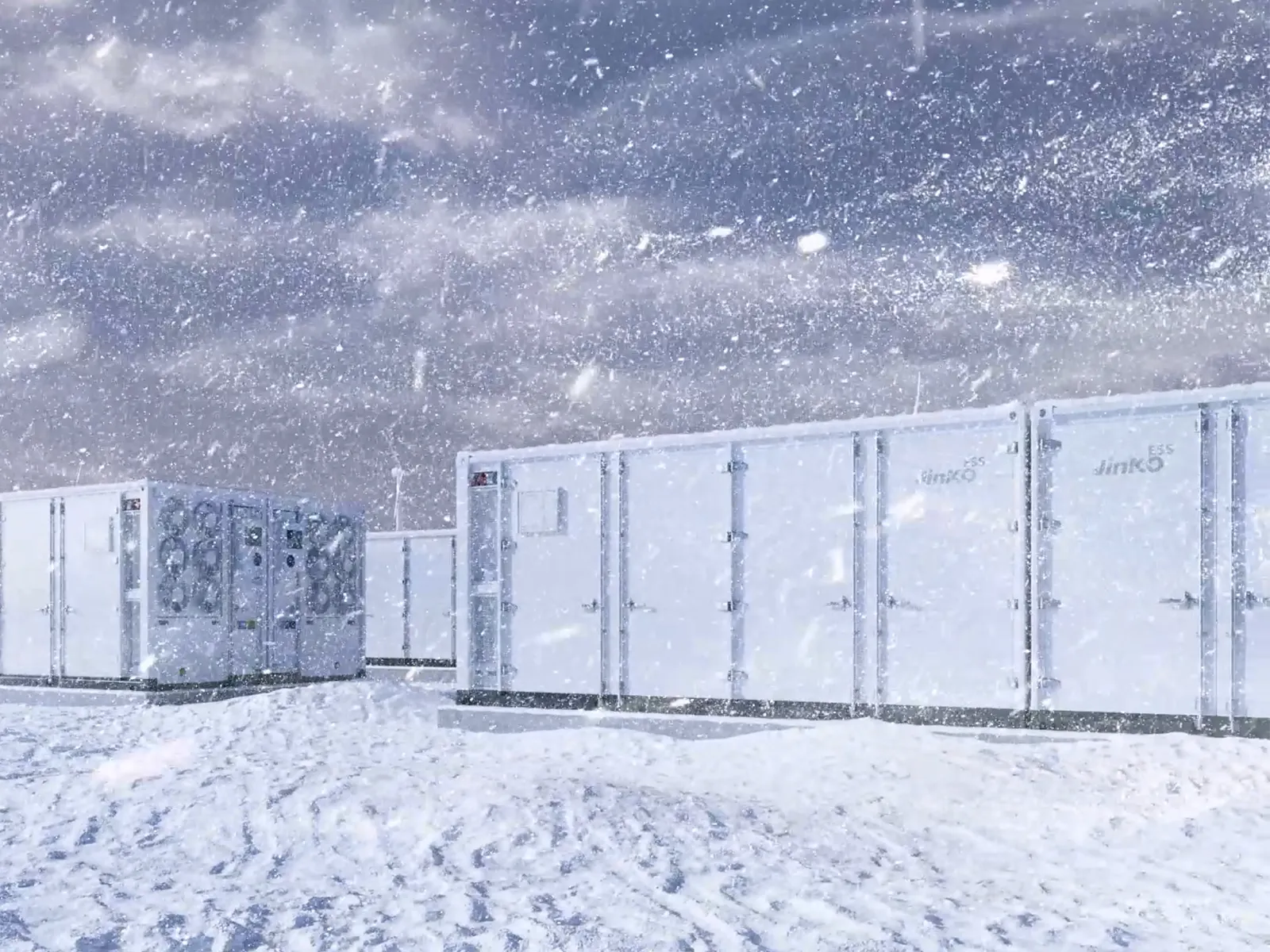
A battery energy storage system is easy to recognize from the outside and difficult to understand from the inside. A container, cabinet or skid can conceal hundreds of cells, electrical connections, cooling equipment, fire-protection devices and control layers. For a product team, the challenge is not simply to show the product. It is to explain how these systems work together without overwhelming the audience.
Why BESS products are difficult to communicate
Technical drawings are precise, but they are usually created for engineers. Product photography shows build quality, but it cannot reveal internal architecture or energy flow. A presentation filled with diagrams may describe every subsystem, yet still leave a customer without a clear mental model of the complete product.
This is where energy storage 3D animation becomes useful. It gives marketing and engineering teams a shared visual language. The audience can first see the complete system, then move through the enclosure and understand the relationship between battery racks, power conversion, thermal management, protection and controls.
Start with system architecture, not visual effects
A technically useful BESS animation begins with source material: CAD files, system diagrams, product manuals, electrical logic and reference images. The first production task is to decide what the audience must understand. That may be modular capacity, service access, liquid-cooling design, safety isolation or the relationship between the BESS and the grid.
Once the communication goal is clear, the animation can establish a hierarchy. The complete installation provides context. The enclosure becomes transparent or opens in stages. Key subsystems are isolated and identified. Motion is used to clarify a sequence, rather than decorate the scene.
Reveal components in a controlled sequence
An exploded view is especially effective for complex storage products. Instead of presenting every part at once, the animation separates the enclosure, racks, packs, busbars, cooling loops and control equipment in a controlled order. This preserves the physical relationship between components while making each layer readable.
Camera movement should also serve the explanation. A wide view can show the BESS in an application environment. A closer view can introduce cabinet architecture. Macro shots can then communicate cell, connector or cooling details that are impossible to capture with a conventional camera.
Make invisible processes visible
Many of the most important BESS functions cannot be photographed. Electricity has no visible path. Airflow, coolant circulation, sensor feedback and protection logic happen inside closed equipment. Technical CGI can represent these processes with restrained visual devices: illuminated paths, particles, temperature gradients, sectional views or animated interface data.
The key is accuracy. Color, timing and movement should correspond to the real product logic. When visual effects are anchored to engineering information, they improve understanding and trust. When they are added only for spectacle, they can make a serious industrial product feel less credible.
Use one visual system across sales and training
A well-planned BESS animation can produce more than one film. The same approved 3D assets can support a launch video, shorter sales clips, installation sequences, service training, exhibition screens and high-resolution still images. This gives global teams consistent product communication and reduces the need to rebuild visual material for every channel.
For international audiences, on-screen text and voiceover can be replaced while the technical animation remains unchanged. This makes 3D content particularly useful for products sold through distributors, EPC partners and regional sales organizations.
What to prepare before production
The most helpful inputs are current CAD data, a product deck, a list of priority features and an identified audience. It is also useful to define where the finished content will appear. A two-minute technical explainer, a silent exhibition loop and a social-media clip require different pacing and framing, even when they use the same product model.
The strongest result comes from early alignment between engineering, marketing and the visualization team. That alignment keeps the story concise, the product accurate and the review process efficient.
CMUSE creates technically accurate BESS animation and industrial CGI for product launches, global sales and training. If you have a complex energy storage system to explain, send us the available technical material and the communication goal—we can recommend a suitable visual structure.